











Fibreglass lining versus Poolcrete Plastering
Here’s the practical comparison.
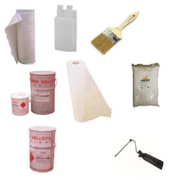
Fibreglass lining is a full waterproof lining system built with resin, fibreglass mat, and top coat over the prepared pool shell. Swemgat’s guide shows it as a layered installation process using resin primer, fibreglass mat, more resin, and final top coat.
Fibreglass is easier than plastering a pool for inexperienced handymen or technical minded labourers. Skilled painters can handle fibgrelass work with support from someone in cutting and measuring materials and overseeing the process.
Safety goggles and protective clothing are a must. Having a team of 3 is recommended for installing fiberglass lining in pools up to 5m x 10m.

Cemcrete Poolcrete is a cement-based swimming pool plaster finish, often referred to as marbelite, applied as the finished plaster layer on concrete pools. It is a tinted swimming pool plaster with a coverage of about 2m² per 40 kg bag.
It's vital to finish plastering the pool in one day. The standard practice is to have at least 3 highly skilled pool plaster tradesmen for a small 3m x 4m pool. Larger pools typically require one tradesman per 20m2.

1) Best use case
Choose fibreglass lining when:
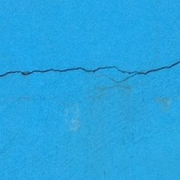
- the pool has repeated cracks or leak problems
- you want a new waterproof skin over the whole surface because the soil is unstable
- a more flexible lining is required
Choose Poolcrete when:
- the concrete shell and surrounding area is still sound and solid
- you want to replaster or refinish a marbelite
- Poolcrete does not tolerate any movement
2) Crack tolerance
Fibreglass lining is usually the better option where crack risk is a major concern.
Continuous reinforced lining with fibreglass mat and resin is more forgiving than plain cement plaster for cracked surfaces.
Poolcrete is less forgiving if the underlying shell or substrate moves. It is still plaster. If the shell movement issue is not solved, replastering alone may not cure recurring cracks. Poolcrete is presented as plaster, not a reinforced lining system.
3) Surface look and feel
Fibreglass lining
- smoother “lined” finish
- more like a sealed laminate/topcoat system
- good for a cleaner look
Poolcrete
- more traditional marbelite/plaster look
- tinted plaster finish in colours such as white, blue, and charcoal
- better fit when you want a classic concrete-pool appearance
4) Waterproofing role
Fibreglass lining is the stronger choice if waterproofing is a major part of the job, because the whole system is built as a layered lining over the shell.
Poolcrete gives you the pool plaster finish, but it is not the same thing as installing a reinforced lining membrane/system. It is a plaster product for the pool surface.
5) Installation complexity
Fibreglass lining is more technical.
Swemgat’s guide includes resin timing, laying mat, rolling out air pockets, saturating layers, curing, sanding imperfections, and final topcoat steps. That is a more involved process with more room for installation error.
Poolcrete is simpler in concept than a full fibreglass layup, though proper plastering skill still matters a lot. Swemgat presents it as a plaster product with surface preparation and coverage guidance, not a multi-layer composite system. (Swemgat)
6) Repairability later
Poolcrete is often easier and more familiar for plaster-based touch-ups or traditional resurfacing workflows. Matching colors perfectly can be challenging, but often it's more crucial to fix the leak than to get the color just right.
Fibreglass can also be repaired, but matching finish and doing proper patch repairs usually takes more specialised technique. If the topcoat is white, repairs are easier and less noticeable than with other colors. So we suggest opting for a white topcoat instead of the trendy blue choice.
Bottom line
Fibreglass lining = better for problem pools
Poolcrete = better for traditional plaster resurfacing on a sound concrete shell.