







How to Choose the Best Pool Pump for Your Swimming Pool
A swimming pool pump is the heart of your pool’s circulation system. It keeps water moving through the filter, distributes chemicals evenly, and ensures your pool stays clean and safe for swimming.
Most swimming pool pumps last between 6 and 10 years. After that, efficiency drops, noise often increases, and electricity consumption can rise. Replacing an aging pump with a newer, more efficient model can dramatically improve performance while reducing running costs.
With so many options available, choosing the right pump can feel overwhelming. This guide breaks down the types of pool pumps, key factors to consider, and recommended pumps available from Swemgat to help you make the best decision.
Types of Swimming Pool Pumps
Single-Speed Pool Pumps
Single-speed pumps are the traditional and most affordable option for residential pools.
They operate at one constant speed, which makes them simple to use and install. Once connected, operation is straightforward — just switch the pump on or off.
Benefits of single-speed pumps:
- Lower upfront purchase price
- Simple operation
- Easy installation and maintenance
- Reliable circulation for most residential pools
Most pools require about 8 hours of circulation per day to ensure the entire water volume passes through the filtration system.
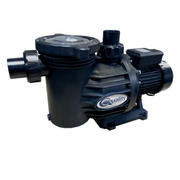
For many homeowners, a dependable option is the Swimflo self-priming pool pump, available here:
👉 https://swemgat.com/collections/pool-pumps
These pumps are designed for efficient everyday circulation and are widely used across South Africa.
Variable-Speed Pool Pumps
Variable-speed pumps are the most energy-efficient option on the market today.
Unlike single-speed pumps, these allow you to adjust the motor RPM to match the pool’s circulation needs. This means you can run the pump at lower speeds during quiet periods and higher speeds during cleaning or heavy use.
Advantages of variable-speed pumps:
- Up to 60% energy savings
- Adjustable circulation speeds
- Quieter operation
- Longer equipment lifespan
- Improved filtration efficiency
Although the initial purchase price is higher, variable-speed pumps often pay for themselves through electricity savings over time.
Explore energy-efficient pool pump options here:
👉 https://swemgat.com/collections/pool-pumps
Important Factors When Choosing a Pool Pump
1. Pool Size
The size of your pool determines how powerful your pump needs to be.
To calculate the correct flow rate:
- Divide your pool capacity by 24 hours to determine the required hourly circulation.
- Divide that number by 60 to get the per-minute flow rate.
Choose a pump capable of circulating at least that volume of water.
For example, most residential pools up to 55 000 litres work well with standard residential pool pumps such as the Swimflo series available from Swemgat.
Browse suitable pumps here:
👉 https://swemgat.com/collections/pool-pumps
2. Energy Efficiency
Electricity costs are one of the biggest ongoing expenses of owning a pool.
Single-speed pumps are cheaper upfront but consume more power. Variable-speed pumps, on the other hand, can reduce energy usage dramatically because they run at lower RPM during normal circulation.
In South Africa, modern self-priming pumps such as the Swimflo and Superflo ranges are growing in popularity due to:
- Improved electrical efficiency
- Lower running noise
- Improved cooling dynamics
Choosing an efficient pump can significantly reduce long-term operating costs.
3. Pump Materials and Durability
Pool pumps often run more than 8 hours every day, which means durability is critical.
High-quality pumps typically feature:
- Stainless steel motors for durability
- Built-in cooling fans for temperature control
- High-grade corrosion-resistant plastic housings
- Compatibility with chlorine and saltwater pools
Strong materials ensure the pump withstands harsh chemicals and constant operation.
4. Filter Compatibility
Your pump must work efficiently with your pool filtration system.
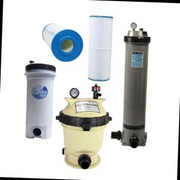
Most pools use one of these filter types:
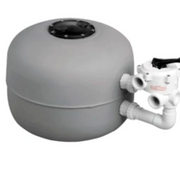
- Sand filters
- Cartridge filters
While most pumps are compatible with all filter types, it’s important to ensure the pump flow rate matches the filter’s capacity.
If the pump is too powerful, it can damage the filter or reduce filtration efficiency.
5. Noise Level
Pool pumps usually operate between 65 and 90 decibels.
Newer pump designs often feature fully enclosed motors, reducing noise dramatically — sometimes to around 40 decibels, similar to a refrigerator.
Quiet pumps are especially important when:
- Pools are close to living areas
- You run the pump at night
- Neighbours are nearby
Modern pumps available from Swemgat are designed for low noise operation and reliable performance.
See available models here:
👉 https://swemgat.com/collections/pool-pumps
Popular Pool Pump Brands in South Africa
Some of the most trusted pool pump brands used in South African pools include:
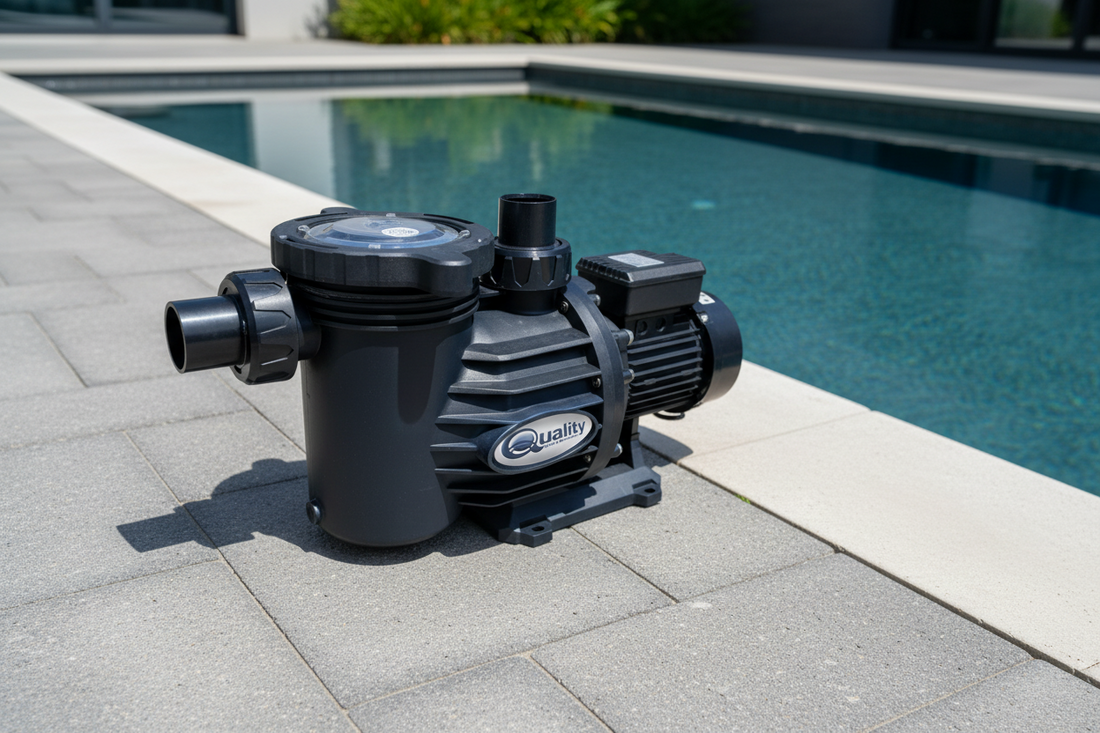
- Quality
- Baracuda
- Zodiac
- Rapid
- Speck
- Swimflo
Each brand offers pumps designed for different budgets, pool sizes, and performance needs.
Rapid vs Swimflo Pool Pumps
A common comparison among pool owners is Rapid vs Swimflo pumps.
While Rapid pumps have long been popular in South Africa, Swimflo pumps are rapidly becoming a preferred choice.
Reasons include:
- Longer manufacturer warranties
- Strong reliability and longevity
- Efficient performance
- Faster installation due to supplied barrel unions
For many installers and pool owners, this combination makes Swimflo pumps an excellent value option.
Final Thoughts
Choosing the right pool pump is essential for clean water, efficient filtration, and lower running costs.
When selecting a pump, consider:
- Your pool size
- Energy efficiency
- Noise levels
- Durability
- Filter compatibility
A properly matched pump will keep your pool water circulating efficiently while saving electricity and extending the life of your filtration system.
If you’re looking for reliable pool pumps in South Africa, browse the full range available at Swemgat:
👉 https://swemgat.com/collections/pool-pumps
Upgrading to the right pump today can mean cleaner water, lower electricity bills, and a more enjoyable swimming pool for years to come.