













How to Know When to Replace a Pool Pump Instead of Repairing It: 9 Powerful Signs You Shouldn’t Ignore
If you own a swimming pool, you already know the pump is its beating heart. But here’s the big question: how to know when to replace a pool pump instead of repairing it?
Many pool owners struggle with this decision. Repairs can seem cheaper upfront, but sometimes they only delay the inevitable—and cost you more in the long run. In this guide, we’ll break down the clear warning signs, costs, and expert tips to help you make the smartest choice.
Why Your Pool Pump Matters More Than You Think
The Role of a Pool Pump in Pool Health
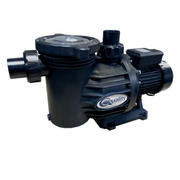
Your pool pump circulates water, pushes it through filters, and keeps debris from building up. Without it, your pool quickly turns cloudy—and even unsafe.
How a Failing Pump Affects Water Quality
A weak or failing pump leads to:
- Poor filtration
- Algae growth
- Chemical imbalance
- Increased maintenance costs
Common Pool Pump Problems You Can Repair
Minor Issues That Don’t Require Replacement
Not every problem means you need a new pump. Some issues are easy fixes:
- Clogged filters
- Loose wiring
- Worn-out O-rings
- Air leaks
When Repairs Are Still Worth It
If your pump is under 3 years old and the repair cost is low, fixing it is usually the better option.
9 Clear Signs You Should Replace Your Pool Pump
1. Your Pump Is Over 7–10 Years Old
Most pool pumps last about a decade. If yours is older, replacement is often more cost-effective than ongoing repairs.
2. Frequent Breakdowns Are Costing You More
If you’re calling a technician every few months, those repair bills add up quickly.
3. Strange Noises That Won’t Go Away

Grinding, screeching, or rattling noises often mean internal damage—especially worn bearings or motor failure.
4. Reduced Water Circulation
Weak water flow is a major red flag. If your pool isn’t circulating properly, your pump may be failing beyond repair.
5. Leaks Around the Pump Housing

Leaks can sometimes be fixed—but cracks or major seal failures often mean replacement is the better option.
6. Rising Electricity Costs
Older pumps are far less efficient. A new energy-efficient model can significantly reduce electricity costs.
7. Motor Overheating or Shutting Down
If your pump keeps overheating or turning off, it’s a sign of internal failure.
8. Visible Rust or Corrosion
Corrosion weakens components and usually signals the end of your pump’s lifespan.
9. Repairs Cost More Than Half the Price of a New Pump
This is a simple rule:
👉 If repair costs exceed 40% of a new pump, replacement is the smarter investment.
Repair vs Replacement: Cost Comparison
| Factor | Repair | Replacement |
|---|---|---|
| Upfront Cost | Lower | Higher |
| Energy Efficiency | Low | High |
| Lifespan | Short-term fix | 8–12 years |
Benefits of Replacing Your Pool Pump
Better Energy Efficiency
Modern pumps use variable-speed technology, reducing energy consumption dramatically.
Quieter Operation
Newer models are far quieter than older, worn-out pumps.
Improved Pool Water Quality
Better circulation means cleaner, healthier water.
How to Choose the Right Replacement Pump
Single-Speed vs Variable-Speed Pumps
- Single-speed: cheaper upfront
- Variable-speed: energy-saving and long-term cost-effective
Sizing Matters
Choosing the correct size ensures optimal performance and avoids unnecessary strain.
Expert Tips to Extend Your Pool Pump’s Life
Regular Maintenance Checklist
- Clean filters regularly
- Check for leaks
- Keep debris out
Seasonal Care Advice
- Avoid running it dry
- Protect from extreme weather
FAQs About How to Know When to Replace a Pool Pump Instead of Repairing It
1. How long does a pool pump usually last?
Most pool pumps last between 8 to 12 years, depending on maintenance and usage.
2. Is it cheaper to repair or replace a pool pump?
It depends. Minor repairs are cheaper, but frequent issues make replacement more cost-effective.
3. Can I replace a pool pump myself?
Yes, but hiring a professional ensures proper installation and safety.
4. What happens if I don’t replace a failing pump?
Your pool may become dirty, unsafe, and more expensive to maintain.
5. Do new pool pumps save electricity?
Yes! Modern pumps are far more energy-efficient and can lower utility bills.
6. How do I know if my pump motor is failing?
Look for signs like overheating, loud noises, and inconsistent performance.
Conclusion
Knowing how to know when to replace a pool pump instead of repairing it can save you time, money, and frustration. While repairs may seem like the easy fix, they’re not always the smartest long-term choice.
If your pump shows multiple warning signs—especially age, noise, and rising costs—it’s time to invest in a new one. A modern, efficient pump will keep your pool clean, reduce energy bills, and give you peace of mind.
Whatsapp Swemgat for advice or buy now!