














Variable Speed vs Single Speed Pool Pumps: Which Is Better?
If you are replacing a pool pump, the real decision is not just about moving water. It is about running cost, noise, control, and long-term value.
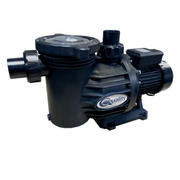
A single speed pool pump runs at one fixed speed only: full speed. A variable speed pool pump can run at different speeds depending on what the pool needs, such as normal filtration, chlorinator flow, vacuuming, or solar heating circulation. Current efficiency guidance and manufacturer materials consistently position variable-speed pumps as the more energy-efficient option because they can run slower for routine filtration instead of flat out all day.
For most pool owners, variable speed is the better pump. That is the honest answer.
What is the difference between variable speed and single speed pumps?
A single speed pump has one operating mode. On or off. Full power or nothing. That makes it simple, but it also means it uses maximum power even when the pool only needs gentle circulation. Swemgat’s own pump guide describes single-speed pumps as operating at one speed, while variable-speed pumps let you adjust water flow rate.
A variable speed pump gives you multiple flow settings. That means you can run:
- low speed for daily filtration
- medium speed for heating or chlorination
- high speed when extra flow is needed
That flexibility is the main reason variable-speed pumps usually use much less electricity.
Why variable speed pumps are usually better
1. Lower electricity use
This is the biggest reason to choose variable speed. Because the pump can run slower for ordinary filtration, power use drops sharply. Current sources and manufacturer guidance describe major energy savings compared with single-speed pumps, with real savings depending on pool size, plumbing layout, run time, and setup.
For South African homeowners dealing with high electricity costs, that matters a lot.
2. Quieter operation
A variable-speed pump is usually much quieter because it often runs below maximum RPM during everyday use. That is one of the practical lifestyle benefits owners notice quickly.
3. Better control
Variable speed pumps make more sense when the pool has:
- a salt chlorinator
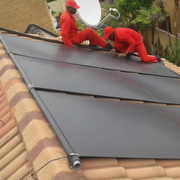
- solar heating
- a heat pump
- long pipe runs
- water features
- a cleaner needing specific flow
That is because you can tune the flow to suit the system instead of forcing full-speed circulation all the time.
4. Better fit for modern pool systems
Once you add solar heating, a heat pump, or any extra plumbing resistance, pump control becomes more important. A variable-speed pump handles that more intelligently than a basic single-speed pump. That is an inference from how variable-speed pumps are described and sold for matching flow to demand.
When a single speed pump still makes sense
Single-speed pumps still have one clear advantage: lower upfront cost.
That makes them worth considering when:
- the budget is tight
- the pool system is basic
- there is no solar, heat pump, or water feature
- the owner wants the simplest possible installation
That said, cheaper to buy does not mean cheaper to own. In many cases, the higher running cost is what makes single-speed pumps the weaker long-term choice.
The downsides of variable speed pumps
There is no point pretending there are none.
Variable-speed pumps are usually:
- more expensive upfront
- more electronic
- more dependent on correct programming
If the setup is poor, the savings will not be as strong as they should be. A better pump still needs proper installation and sensible speed settings to deliver the full benefit. That follows directly from the fact that the energy advantage comes from running at lower speeds when possible.
The downsides of single speed pumps
Single-speed pumps are simple, but blunt.
They:
- run flat out even when unnecessary
- waste more electricity
- are usually noisier in daily use
- give less flexibility with heating and chlorination systems
Which is better for South African pool owners?
For most South African homeowners, variable speed is the smarter long-term option. That is especially true if the pool runs daily, if electricity cost matters, or if the pool has a chlorinator, solar heating, or a heat pump. Swemgat’s product range now clearly includes both single-speed and variable-speed options, including the Zodiac FloPro Variable Speed Pump 1.5kW 230V and Baracuda Titan 2 ECO Variable 3-Speed Pool Pump, which shows demand for higher-efficiency pump choices. (Click here to buy)
If the goal is lowest cash outlay today, a single-speed pump can still do the job. But if the goal is the better ownership decision, variable speed wins more often than not.
Best choice by situation
Choose variable speed if:
- you want lower running costs
- you want a quieter pump
- your pool has solar heating, a heat pump, or a chlorinator
- you want more flow control
- you plan to keep the pump for years
Choose single speed if:
- upfront price matters most
- your pool is small and basic
- you want the simplest replacement option
- electricity savings are a lower priority
Other pool pump related links:
FAQ's
Is a variable speed pool pump worth it?
Usually yes. The higher upfront price is often offset by lower electricity use, quieter running, and better control. (Swemgat)
Does a variable speed pump save electricity?
Yes. That is the main advantage. Savings depend on setup and operating speeds, but current guidance consistently shows lower energy use than single-speed pumps. (Swemgat)
Are single speed pool pumps still good?
They are still usable and often cheaper to buy, but they are generally the less efficient choice for daily pool circulation. (Swemgat)
Which pool pump is quieter?
Variable-speed pumps are usually quieter because they can run at lower speeds for routine filtration. (Swemgat)
Which pump is better for solar heating or a heat pump?
Variable speed is usually better because you can adjust flow more precisely to match the heating system and plumbing layout. (Swemgat)