







Choosing the Right Pool Pump Head: A Simple Guide for Swemgat Homeowners
Introduction to Pool Pump Head
When it comes to selecting the right pool pump, one of the most confusing concepts for homeowners is pump head. But don’t worry—this guide will break it down in a simple, practical way tailored for Swemgat customers.
Understanding pump head helps you avoid two common problems:
👉 Buying a pump that’s too weak
👉 Buying one that wastes electricity
Let’s simplify it.
What Is Pool Pump Head?
Simple Explanation
Pool pump head (measured in metres (m)) refers to the resistance your pump must overcome to move water through your system.
This resistance comes from:
- Pipes
- Bends and fittings
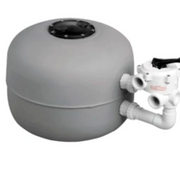
- Filters
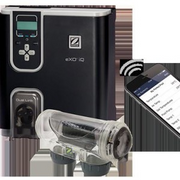
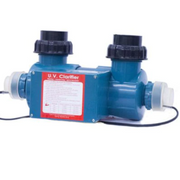
- Equipment like chlorinators or heaters
👉 The higher the resistance, the higher the head.
Why It Matters for Your Pool
If you get the head wrong:
- Your pump may not circulate water properly
- Your filter won’t work efficiently
- Your pool can become cloudy or dirty
- Your electricity costs may increase
For assistance - ask Swemgat on Whatsapp for advice.
What Is a Good Average Pool Pump Head?
The 8 to 12 Metre Rule
For most residential pools in South Africa:
👉 A good estimate is 8 to 12 metres of head
This works as a safe and practical guideline when you don’t have detailed system calculations.
Why 10 Metres Is the Sweet Spot
In real-world installations, many professionals use:
👉 10 metres of head as a standard design point
Why?
- It suits most average-sized pools
- It balances performance and efficiency
- It reduces the risk of under- or over-sizing
Understanding Different Pool Setups
Low Resistance Systems (±8 m head)
These systems typically include:
- Short pipe runs
- Few bends
- Basic filtration
👉 These need less pump power.
Typical Residential Pools (±10 m head)
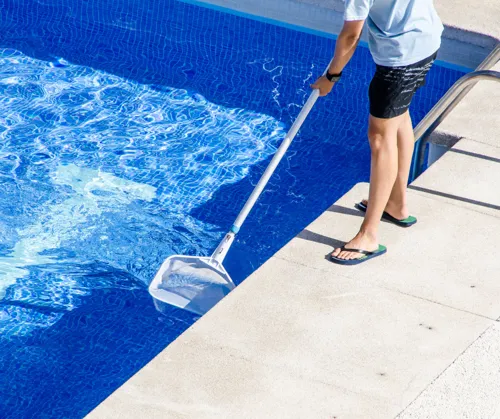
Most home pools fall into this category:
- Pipe lengths
- Standard sand or cartridge filters
- Normal fittings and valves
👉 This is where the 10 m rule works best.
High Resistance Systems (12 m+ head)
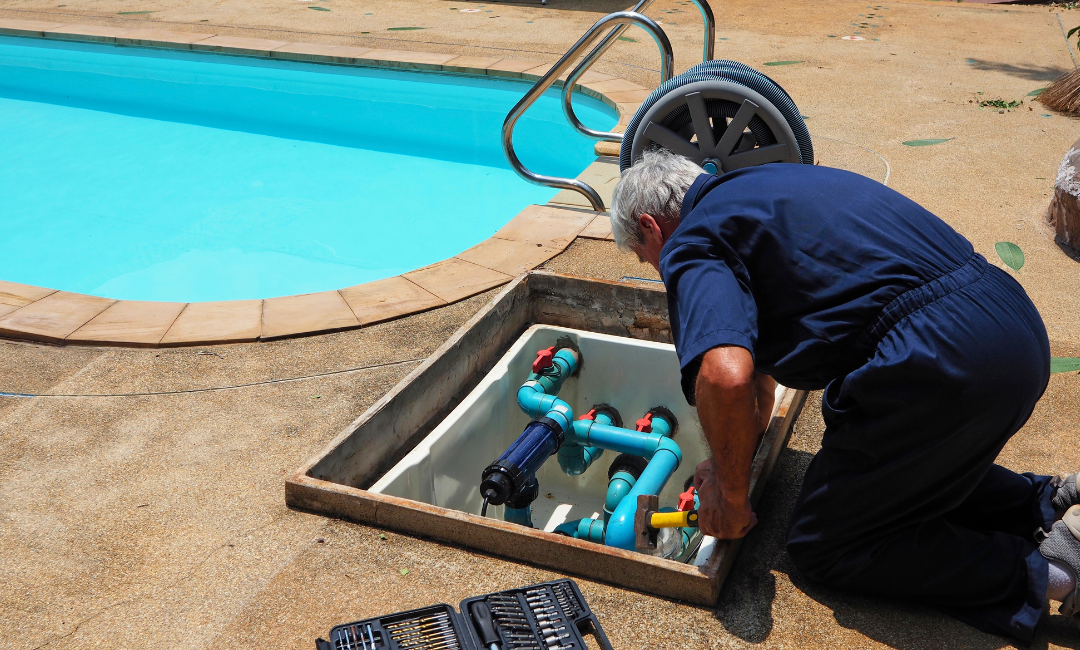
These setups include:
- Long pipe distances
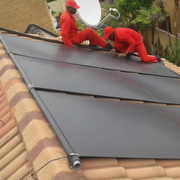
- Solar heating systems
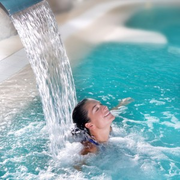
- Water features (jets, fountains)
- Extra equipment
👉 Head can rise to 14–20 m or more.
How Pool Features Affect Head
Pipe Length and Layout
Longer pipes = more resistance
More bends = more resistance
Even small changes in layout can increase head significantly.
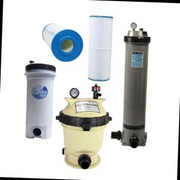
Filters and Equipment
Different filters create different resistance:
- Dirty filters increase head
- Undersized filters restrict flow
- Additional equipment adds load
Extras Like Solar and Water Features


How to Choose the Right Pump Using Head
Matching Flow Rate and Head
To choose the correct pump:
- Determine your required flow rate (m³/h)
- Use ~10 m head as a baseline
- Check the pump curve
👉 Select a pump that delivers your required flow at that head
Reading Pump Curves Simply
A pump curve shows:
- Flow (m³/h) on the horizontal axis
- Head (m) on the vertical axis
👉 Your goal is to find where your system sits on that curve (the operating point)
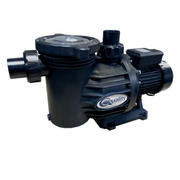
The pump performance curve for the Titan SS is below, for more about information about the Titan pump - click here.

This ensures:
- Efficient performance
- Proper circulation
- Longer pump lifespan
Common Mistakes to Avoid
Undersizing the Pump
- Poor water circulation
- Weak filtration
- Dirty pool
Oversizing the Pump
- Higher electricity costs
- Noisy operation
- Excess pressure on equipment
👉 Bigger is not always better.
FAQs
1. What is pool pump head in simple terms?
It’s the resistance your pump must overcome to move water through your pool system.
2. What is a good average head for a pool pump?
Most residential pools work well between 8 and 12 metres, with 10 m being the most common.
3. Can I choose a pump without calculating head?
Yes, using 10 m head as a guideline works for most standard pools.
4. What happens if my pump head is too low?
Your pool may not circulate properly, leading to dirty or cloudy water.
5. Does pipe length affect pump head?
Yes, longer pipes and more bends increase resistance and head.
6. Do pool features increase head?
Yes, features like solar panels and waterfalls can significantly increase head.
Conclusion
Choosing the right pool pump doesn’t have to be complicated. For most Swemgat homeowners, using a baseline of 8 to 12 metres of head—and especially the 10 m rule—is a reliable and practical way to size your pump correctly.
If in doubt, start with 10 metres of head—it’s the industry’s go-to rule of thumb for a reason.