









How To Fix a Crack in Your Swimming Pool
A crack in your swimming pool is never something to ignore. What starts as a small surface defect can turn into a leak, worsen plaster damage, and eventually lead to a far more expensive repair. The right solution depends on whether the crack is minor, leaking, or part of a bigger lining failure.
For small repairs, products like Cemcrete Under Water Pool Patch and Cemcrete Pool Sealer can help stop leaks and restore damaged areas. In more severe cases, a full pool relining or resurfacing with Cemcrete Poolcrete may be the smarter long-term move.
If the crack is localised, act early. If the whole pool surface is failing, do not keep wasting money on temporary fixes.

What Causes Cracks in a Swimming Pool?
Swimming pool cracks can develop for several reasons, including:
- Age and normal wear
- Ground movement or shell movement
- Thin, porous, or failing plaster
- Poor previous repairs
- Water loss behind the pool surface
- Neglected small holes that get worse over time
Some cracks are only cosmetic at first. Others are signs that the pool is already leaking or that the plaster or lining is reaching the end of its lifespan.
Signs a Pool Crack Needs Repair Now
You should take action quickly if you notice:
- The pool loses water faster than normal evaporation
- A crack is getting longer or wider
- Rough, hollow, or loose plaster around the damaged area
- Small holes or recesses below the waterline
- Repeated patch repairs that do not last
- Worn-out plaster in multiple areas
Early repair usually costs less. Delay is what makes pool cracks expensive.
Step 1: Identify the Type of Pool Crack
Before choosing a product, identify what kind of problem you are dealing with.
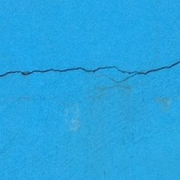
Hairline Surface Crack
Usually shallow and limited to the plaster or marble surface. These may not leak yet, but they should still be monitored and repaired before they spread.
Small Leaking Crack or Hole Below the Waterline
This is often a good candidate for an underwater patch repair, especially if the surrounding plaster is still solid.
Porous Plaster or General Seepage
Sometimes the leak is not coming from one visible crack. Older plaster can become porous and allow slow water loss over a wider surface area.
Severe Surface Failure
If the pool has multiple cracks, hollow plaster, loose areas, or constant water loss, patching may no longer be enough. At that point, full resurfacing or relining becomes the better solution.
Option 1: Fix a Small Crack With Cemcrete Under Water Pool Patch
For small cracks, holes, or recesses below the waterline, Cemcrete Under Water Pool Patch is a practical solution. It is designed for quick emergency-type repairs and can be applied underwater, which means you may not need to drain the pool.
Best for:
- Small cracks below the waterline
- Minor leak repairs
- Holes and recesses in plaster
- Fast patch jobs without draining the pool
Why it works:
- Quick-setting formula
- Made for underwater application
- Suitable for concrete and marble plaster pools
- Hardens to a strong, durable finish
Basic application:
- Remove any loose material from the damaged area
- Mix the patching material according to instructions
- Press it firmly into the crack or hole
- Smooth it off as needed
- Leave the area undisturbed to harden properly
ORDER NOW! Cemcrete Under Water Pool Patch
Option 2: Seal Porous Plaster With Cemcrete Pool Sealer
If your pool is leaking but you cannot see one obvious crack, the problem may be porous plaster rather than one isolated defect. In that case, Cemcrete Pool Sealer is worth considering.
This liquid sealer is added directly to the pool water and is designed to help seal seepage through porous plaster without draining the pool.
Best for:
- Minor leaks through porous plaster
- Slow water loss
- Hard-to-find seepage points
- DIY-friendly, low-disruption repairs
Why it works:
- No need to drain the pool
- Simple pour-in application
- Cost-effective alternative to immediate resurfacing
- Useful when the leak source is not clearly visible
Basic application:
- Make sure the pool is clean
- Pour the required amount of liquid into the pool
- Run the circulation system
- Monitor results over the following days
ORDER NOW! Cemcrete Liquid Pool Sealer
When a Patch Repair Is Not Enough
This is the hard truth is that not every cracked pool should be patched.
If your pool has:
- Multiple cracks
- Loose or hollow plaster
- Ongoing leaks
- A rough, worn, failing surface
- Repeated repair failures
then a small patch may only delay the real repair. In these cases, full resurfacing or relining is the better decision over time.

Extreme Case: Redo the Entire Pool Lining
When the pool surface is severely damaged, a full relining job may be the best long-term fix.
A proper relining project usually involves:
- Surface preparation
- Repairing weak or damaged sections
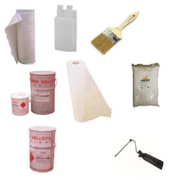
- Applying fibreglass materials and resin
- Sealing and finishing the surface
- Creating a stronger waterproof barrier across the whole pool
You can see the full process here:
How To Fibreglass a Swimming Pool – Step-by-Step Guide
This route makes the most sense when the problem is not just one crack, but an aging or failing pool lining.

Alternative Full-Surface Repair Option: Cemcrete Poolcrete
If the pool needs broader resurfacing rather than a small isolated crack repair, Cemcrete Poolcrete may be a suitable option as part of a full surface restoration plan.
This is generally the better direction when:
- The pool finish is old and worn
- Crack damage is widespread
- The plaster has deteriorated too far for small spot repairs
- You want a more complete surface reset

For an entire redo of the pool lining: Which Pool Crack Repair Option Should You Choose?
Choose fibreglass lining when:
- you or a handyman is going to do the job
- the pool has repeated cracks or leak problems
- you want a new waterproof skin over the whole surface
- the existing plaster is badly worn and you want a stronger reset
- you are redoing the entire lining, not just refreshing the finish

ORDER NOW! DIY Fibreglass renovation kits
Choose Poolcrete Plaster when:
- when experienced marblite pool plaster-labour is available
- the concrete shell is still sound
- you want to replaster or refinish a marbelite
- the goal is to restore the plaster surface rather than add a full fibreglass shell-type lining

ORDER NOW! Cemcrete Poolcrete (expert hands required)
Final Thoughts
A small crack in a swimming pool can often be repaired quickly if you catch it early. But when the surface is failing in multiple places, patching is no longer the smart play.
Prevent a minor leak from becoming a costly pool renovation.
FAQ's
Can a cracked swimming pool be repaired without draining it?
Yes, small cracks or holes below the waterline can often be repaired without draining the pool by using an underwater patch product such as Cemcrete Under Water Pool Patch.
What is the best product to seal small swimming pool leaks?
It depends on the leak. For a localised crack or hole, an underwater patch is often best. For seepage through porous plaster, a liquid pool sealer may be the better option.
How do I know if my pool crack is serious?
If the pool is losing water, the crack is growing, the plaster sounds hollow, or multiple areas are damaged, the problem may be more serious and could require resurfacing or relining.
Will pool sealer fix all leaks?
No. Pool sealer is more suitable for minor seepage through porous plaster. Larger cracks, structural movement, or widespread surface failure usually require more extensive repair.
When should I reline a swimming pool instead of patching it?
You should consider relining when cracks keep returning, the plaster is failing in several places, or the pool surface is old, rough, hollow, or leaking in multiple areas.
