









Ceramic Mosaic Tiles vs Fibreglass Tissue Patterns: Which Pool Finish Should You Choose?
When renovating or building a swimming pool, many homeowners focus only on the final look. That is understandable, because the pool surface is what you see every day. But the smarter question is this:
Which lining system is right for your pool shell, your soil conditions and your long-term maintenance?
In South Africa, marble plaster / marblite-style finishes remain a common choice for concrete-built pools because they give a clean, attractive plastered appearance. Products such as Cemcrete Poolcrete are cement-based swimming pool plaster finishes used as the final interior lining for concrete swimming pools, and are suitable for new concrete pools and resurfacing projects where the surface has been correctly prepared. Poolcrete is a 40kg cement-based pool plaster finish, with approximate coverage of about 2m² per bag depending on surface condition and application thickness.
But marble plaster is not always the smartest choice for every pool — especially where soil movement, pool shell cracks or long-term cleaning problems are part of the picture.
That is where fibreglass lining systems and fibreglass tissue mosaic patterns become important.
First, Understand the Difference
Ceramic Mosaic Tiles
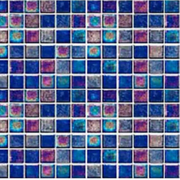
Ceramic mosaic tiles are hard, decorative tiles installed onto a prepared pool surface, usually with tile adhesive and grout. They are commonly used on:
- Pool waterlines
- Steps
- Benches
- Spa areas
- Feature walls
- Concrete or plastered pools
They give a premium, tiled look and can last well when installed onto a stable surface.
Fibreglass Tissue Mosaic Patterns
Fibreglass mosaic tissue patterns are not tiles. They are printed tissue sheets that become part of the fibreglass lining system. Swemgat’s Caribbean fibreglass pool mosaic tissue sheet, for example, is a printed 810mm x 160mm tissue sheet used on fibreglass pool waterlines and steps.
These tissue patterns are applied only to resin-based fibreglass pool lining or epoxy-painted surfaces using a clear top coat and catalyst mixture. They are not for direct use on concrete, cement or marblite surfaces.
That last point is critical: The mosaic pattern is not a separate finish by itself. It forms part of the lining system you choose.
Marble Plaster / Poolcrete: The Common Choice for Concrete Pools
Marble plaster, marblite-style finishes and products such as Cemcrete Poolcrete are commonly used on concrete-built swimming pools because they create a smooth, attractive interior finish.
Benefits of Marble Plaster
Marble plaster is a good choice when:
- The pool shell is structurally sound
- The pool is concrete-built
- The surface is properly prepared
- The homeowner wants a traditional plastered pool look
- The budget favours a plaster finish over full tiling or fibreglass lining
Poolcrete is applied by trowel and old marblite should be chipped to ensure proper bonding before resurfacing.
Limitations of Marble Plaster
The problem with marble plaster is that it is still a cement-based surface. It can look excellent, but it does not solve every pool problem.
Marble plaster is not the best solution when:
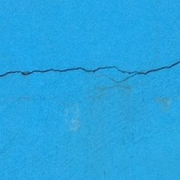
- The concrete pool shell has active cracks
- The pool is in an area with soil movement
- The pool has recurring leaks through structural cracks
- The owner wants the easiest possible surface to clean
- The pool needs a waterproof lining system that can bridge minor movement better than plaster
Tell it like it is: marble plaster looks good, but it is not a miracle repair system for a moving or cracked pool shell.
Fibreglass Lining: The Smart Choice for Problem Pools
Fibreglass pool lining is often the smarter choice when the pool shell is old, cracked, rough, stained or affected by movement.
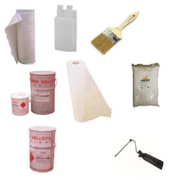
The reason is simple: fibreglass creates a continuous resin-based lining over the pool surface. Unlike plaster, which is a hard cement-based coating, fibreglass works as a stronger waterproof lining system with reinforcement.
A technical correction is important here: fibreglass is not “more rigid” in the same way plaster or ceramic tiles are rigid. Its advantage is that it is strong, reinforced and more capable of bridging small cracks and movement compared with brittle cement plaster. That is why it is often the better long-term option where soil movement causes the pool shell to crack.
Benefits of Fibreglass Pool Lining
Fibreglass is a strong option because it:
- Creates a waterproof lining over the pool shell
- Helps deal with hairline cracks better than plaster
- Is easier to clean than rough plaster surfaces
- Reduces algae grip because the surface is smoother
- Can refresh old concrete or fibreglass pools
For homeowners who are tired of brushing, staining, algae build-up and rough surfaces, fibreglass is often the practical upgrade.
Where Fibreglass Tissue Mosaic Patterns Fit In
Fibreglass tissue mosaic sheets are used to decorate the fibreglass lining system. They are commonly installed on:
- The waterline
- Pool steps
- Edges
- Areas where visual marking is needed
Click here to view a Swemgat's range of tissue mosaic patterns for use with fibreglass linings.
Benefits of Fibreglass Tissue Patterns
Fibreglass tissue mosaic patterns are a good choice because they:
- Give a tiled mosaic look without installing ceramic tiles
- Become part of the fibreglass coating system
- Help hide waterline dirt and scum marks
- Mark pool steps and edges clearly
- Are easier to apply during fibreglass resurfacing than real tiles
- Avoid grout lines, which can stain or fail over time
- Keep the pool finish smooth and easy to clean
They are especially useful when the pool is already being relined with fibreglass.
Ceramic Mosaic Tiles: When They Are the Better Choice
Ceramic mosaic tiles still have their place. They are the better option when the goal is a premium, real-tile finish on a stable pool surface.
Choose Ceramic Mosaic Tiles When:
- The pool shell is stable and not cracking
- The pool is concrete or plastered
- A luxury tiled appearance is required
- The owner wants a permanent hard-tile finish
Ceramic mosaic tiles are excellent for high-end finishes, especially on waterlines, spas and feature areas.
Be Careful With Ceramic Tiles When:
- The pool shell has movement
- There are existing cracks
- The surface preparation is poor
- Cheap grout or adhesive is used
- The pool is leaking through structural defects
Tiles are hard. Grout is hard. If the pool shell moves, the finish can crack, lift or leak. That is why the condition of the pool shell matters more than the look of the tile.
Fibreglass Tissue Patterns: When They Are the Better Choice
Choose fibreglass tissue patterns when the pool lining system is fibreglass or epoxy-based.
Swemgat’s Caribbean mosaic tissue sheets must be applied only to resin-based fibreglass pool lining or epoxy-painted surfaces using clear top coat and catalyst, and not directly to concrete, cement or marblite surfaces.
Choose Fibreglass Tissue Patterns When:
- You are installing or repairing a fibreglass lining
- You want a mosaic look without ceramic tiles
- You want the waterline to hide stains better
- The pool needs a smoother, easier-clean surface
- The pool has minor cracks or old surface damage
- You want the mosaic to form part of the lining system
- You are renovating a pool affected by soil movement
This is the practical choice when function matters as much as appearance.
Quick Comparison Table
| Feature | Ceramic Mosaic Tiles | Fibreglass Tissue Mosaic Patterns |
|---|---|---|
| Best used on | Stable concrete/plastered pools | Fibreglass or epoxy-coated surfaces |
| Finish type | Real ceramic tile and grout | Printed tissue sealed into fibreglass top coat |
| Application | Adhesive and grout | Clear top coat and catalyst |
| Direct use on concrete | Yes, if properly prepared | No |
| Direct use on marblite | Not ideal without correct prep | No |
| Handles movement | Poor to moderate | Better as part of fibreglass lining |
| Cleaning | Grout lines can collect dirt | Smooth, easier-clean finish |
| Appearance | Premium tiled look | Mosaic-style printed finish |
| Best for cracks | Not the best choice | Better option when used with fibreglass lining |
| Waterline stain hiding | Good | Good |
| DIY friendliness | Requires tiling skill | Requires fibreglass application skill |
Which One Should You Choose?
Choose Marble Plaster / Poolcrete If:
Your pool is a sound concrete pool, the shell is stable, and you want a traditional plastered finish. It is a common and attractive option for concrete pools when the preparation and application are done properly.
Choose Ceramic Mosaic Tiles If:
You want a real tile finish and the pool shell is stable. Ceramic mosaics work well for decorative waterlines, steps and feature areas, but they need proper installation.
Choose Fibreglass Lining With Tissue Mosaic Patterns If:
Your pool has cracking, staining, soil movement concerns, rough surfaces or ongoing cleaning problems. This is often the smarter long-term renovation choice because the mosaic becomes part of the full fibreglass lining system.
For many South African homeowners, this is the key point:
Marble plaster is the common choice because of appearance. Fibreglass is the smart choice when durability, easy cleaning and crack protection matter more.
Final Advice from Swemgat
Do not choose your mosaic pattern first. Choose your pool lining system first.
The mosaic pattern is only one part of the complete finish. Ceramic mosaics belong with a stable tiled or plastered pool system. Fibreglass tissue mosaics belong with a fibreglass or epoxy-based lining system.
When the pool shell is stable and appearance is the main goal, marble plaster or ceramic mosaics can work well.
When the pool shell has cracks, movement or long-term maintenance issues, fibreglass lining is the stronger, smarter choice.
To view prices of fibreglass materials for pools - click here.