






How to Fibreglass a Swimming Pool (Step-by-Step Guide)
Fibreglassing a swimming pool is one of the most effective ways to restore, waterproof, and protect a concrete or marbelite pool. Over time, pool surfaces crack, stain, or become rough, making the pool uncomfortable to swim in and difficult to maintain.
A properly applied fibreglass lining creates a smooth, durable, waterproof surface that can last for many years with minimal maintenance.
This guide explains how to fibreglass a swimming pool step-by-step, what materials are required, and important tips to ensure a professional result.
To buy fibreglass kits - click here
Why Fibreglass a Swimming Pool?
Fibreglass linings are commonly used to renovate aging concrete pools because they provide several benefits:
- Creates a smooth and comfortable swimming surface
- Prevents leaks and water loss
- Improves chemical resistance
- Reduces algae growth
- Extends the lifespan of the pool shell
- Makes pool cleaning easier
For many homeowners, fibreglassing is a cost-effective alternative to rebuilding or resurfacing the entire pool.
Materials Needed to Fibreglass a Pool
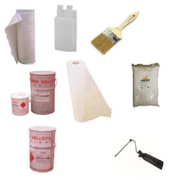
Before starting the process, ensure you have the correct materials and equipment:
- Fibreglass mat
- Polyester resin
- Catalyst hardener (MEKP)
- Fibreglass rollers and brushes
- Protective gloves and safety equipment
- Top coat finishing layer
The top coat is the final protective layer that seals and protects the underlying fibreglass mat from water and pool chemicals.
Step-by-Step Guide to Fibreglass a Swimming Pool
Step 1: Drain and Prepare the Pool
Start by completely draining the pool.
Once empty:
- Remove debris and dirt
- Pressure wash the entire surface
- Repair cracks or structural damage
- Ensure the surface is clean and dry
Proper preparation is critical because fibreglass will not bond correctly to a dirty or damp surface.
Step 2: Sand and Smooth the Pool Surface
Use a grinder or sanding equipment to:
- Remove loose marbelite or old coatings
- Smooth rough areas
- Create a slightly rough texture for proper bonding
The surface should be even and clean before applying fibreglass.
Step 3: Apply Polyester Resin
Next, apply a layer of polyester resin to the prepared surface.
While the resin is still wet:
- Lay the fibreglass mat onto the surface
- Use a fibreglass roller to remove air bubbles
- Ensure the mat becomes fully saturated with resin
This process creates the structural fibreglass layer that forms the new pool lining.
Step 4: Add one strong Fibreglass Layer
Most pools require only one fibreglass layer for strength.
Repeat the process:
- Apply resin
- Lay fibreglass mat - 450gsm (450 gram per square meter)
- Roll out air bubbles
Step 5: Apply the Top Coat
The top coat is the final finishing layer applied over the fibreglass.
Its purpose is to:
- Seal the fibreglass mat
- Protect against water penetration
- Provide colour and finish
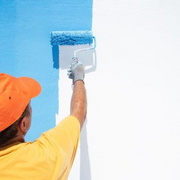
Top coats are typically applied using rollers or brushes for an even surface.
Important Mixing Instructions for Top Coat
Top coat is supplied in a highly viscous liquid form and will only harden when catalyst hardener is added.
⚠️ Important: Catalyst hardener is required but usually not included with the top coat.
The catalyst activates the chemical reaction that causes the coating to harden.
Catalyst Mixing Ratio
Add 1% – 3% catalyst by volume depending on temperature.
General guideline:
- Hot weather: 10ml catalyst per 1L top coat
- Cold weather: 30ml catalyst per 1L top coat
Mix thoroughly before application to ensure proper curing and durability.
You can purchase catalyst hardener separately in 1kg or 5kg containers.
Colour Variations
Fibreglass top coats are manufactured in batches, which means colour variations may occur from order to order.
If colour consistency is important, it is recommended to order sufficient material for the entire project in one batch.
Tips for a Professional Fibreglass Finish
To achieve the best results:
- Work in dry weather conditions
- Apply coatings in thin, even layers
- Remove all air bubbles with a fibreglass roller
- Follow correct catalyst ratios
- Allow adequate curing time before filling the pool
Rushing the process can lead to poor adhesion or surface defects.
When Should You Fibreglass a Pool?
Signs your pool may need fibreglass resurfacing include:
- Rough or damaged marbelite
- Persistent leaks
- Staining or discolouration
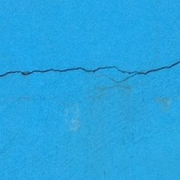
- Cracking or surface deterioration
- Constant algae growth in porous surfaces
Fibreglassing restores the pool and makes it look and feel like new again.
Final Thoughts
Fibreglassing a swimming pool is a powerful renovation method that improves durability, appearance, and water retention.
While many homeowners choose professional installation, experienced DIY renovators can also achieve excellent results by following the correct process and using quality materials.
The key to success lies in proper preparation, correct catalyst mixing, and careful application of each layer.
If you are planning a pool renovation, using high-quality fibreglass products and coatings will ensure long-lasting performance and a smooth, beautiful finish for years to come.